Plants should be watered according to their individual needs rather than a rigid schedule. Soil moisture, plant type, weather, pot size, and growing conditions are much better indicators of when it’s time to water.
Knowing how often to water plants can be surprisingly tricky. Some plants enjoy consistently moist soil, while others can suffer serious damage when watered too frequently.
That’s why advice such as “water once a week” doesn’t work for every plant.
Check the Soil Before Watering
One of the easiest ways to determine whether a plant needs water is simply to feel the soil.
For many houseplants, push your finger about one or two inches into the potting mix. If the soil feels damp, wait before watering. If it feels dry, it may be time to water.
You can also learn from the weight of the container. A pot containing dry soil will usually feel noticeably lighter than it does shortly after watering.
Different Plants Have Different Watering Needs
A cactus or snake plant cannot be treated the same way as a moisture-loving tropical plant.
| Type of Plant | Typical Preference |
|---|---|
| Cacti and succulents | Soil should dry well between waterings |
| Snake plants | Prefer relatively dry conditions |
| Tropical houseplants | Often prefer moderately moist soil |
| Outdoor potted plants | May need frequent checks |
| Newly planted garden plants | Usually require closer monitoring |
These are general guidelines rather than fixed schedules.
Why Does Watering Frequency Change?
Your plant’s environment determines how quickly its soil loses moisture.
Plants in bright, warm locations usually dry faster. Small containers can also lose moisture considerably faster than large pots.
Seasonal changes matter, too. A plant that needs frequent watering during hot summer weather may require substantially less during winter.
Humidity, airflow, soil composition, and the presence of drainage holes can all affect how long moisture remains around the roots.
How Should You Water a Plant?
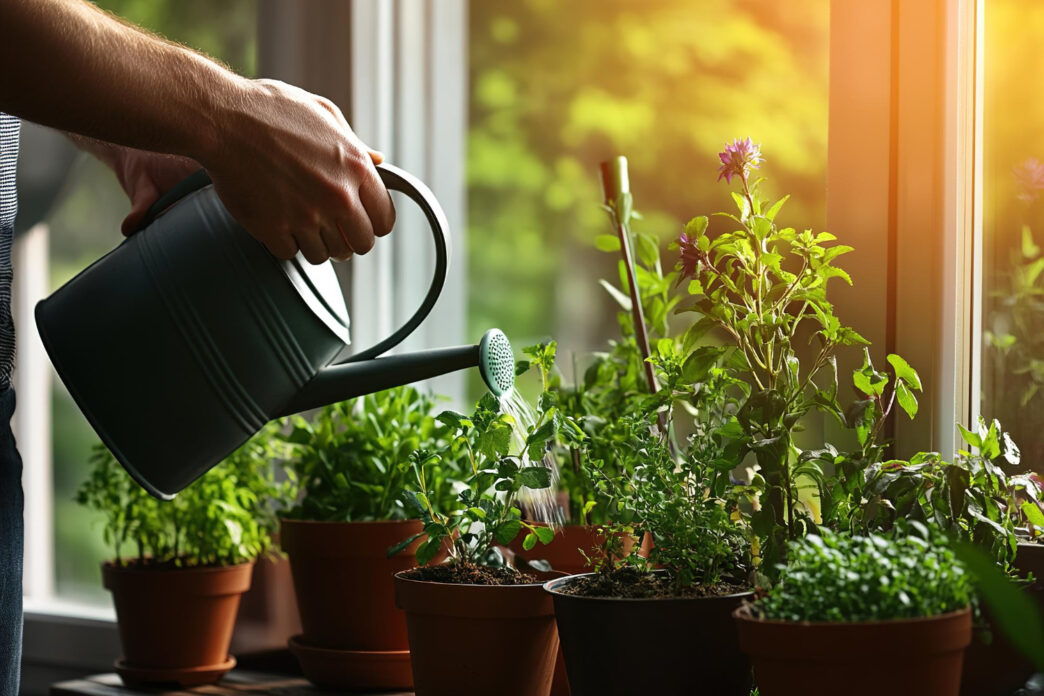
When watering most container plants, add water thoroughly until excess begins escaping through the drainage holes. Then allow the excess to drain rather than leaving the pot sitting in water.
Avoid giving plants small amounts of water simply because a certain number of days have passed.
The most useful rule is also the simplest: check before you water. Once you understand how your particular plant responds to its environment, developing the right watering routine becomes much easier.